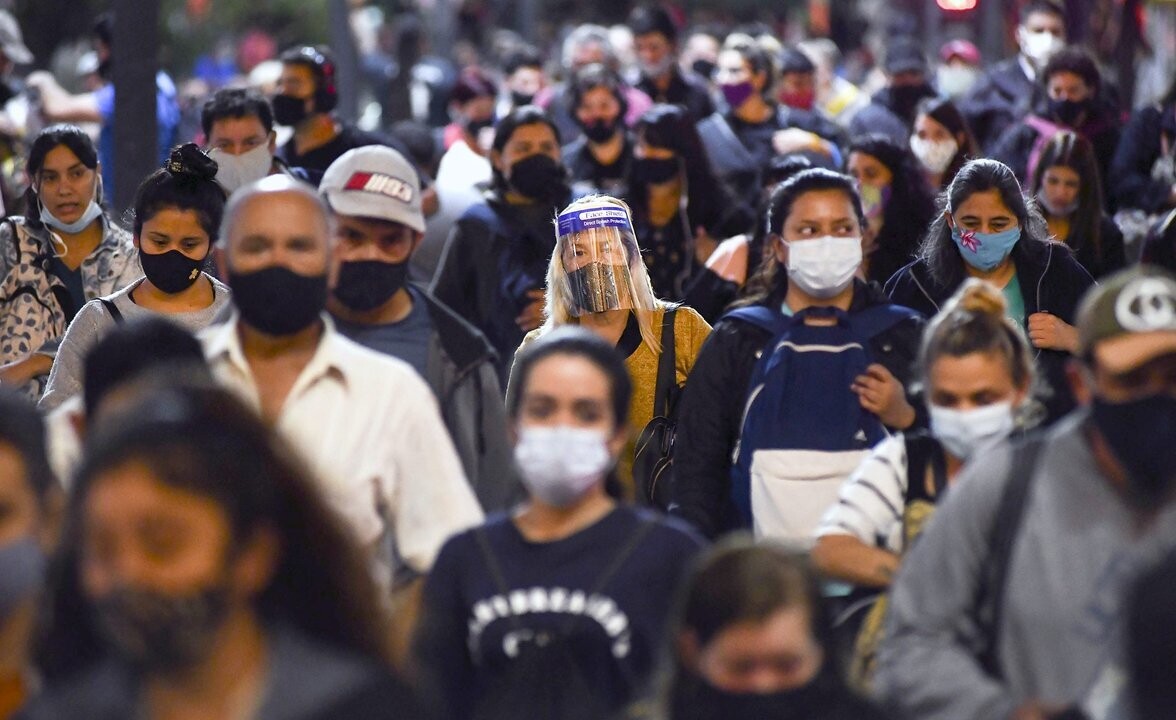
The Ministry of Public Health of Tucumán confirmed this Monday the first case of H3N2 subclade K flu in that province. According to the head of the health department, Luis Medina Ruiz, it is a 56-year-old woman, residing in the city of San Miguel de Tucumán, whose sample was sent to the Malbrán Institute. The patient was discharged and is in good general health, while she did not infect any member of her family, the minister specified. Medina Ruiz described that this situation made it possible to carry out an "early diagnosis" and "apply the corresponding treatment". In this sense, he urged residents to go to a nearby hospital upon the appearance of symptoms such as fatigue, body aches, and high fever. Recommendations for the population General recommendations for the prevention and control of the transmission of acute respiratory infections are reiterated: Keep influenza, SARS-CoV-2, pneumococcus, Haemophilus influenzae type B, Bordetella pertussis, and respiratory syncytial virus vaccination schemes complete. Perform frequent handwashing with water and soap. Cover your mouth and nose with the crook of your elbow when coughing or sneezing. Avoid sharing personal objects, such as glasses, cutlery, or other utensils. Regularly clean and disinfect surfaces in contact with sick people, using water and detergent, soap, or solutions with 70% alcohol. Properly ventilate environments, especially in enclosed spaces. People with respiratory symptoms should avoid contact with other people and restrict interactions as much as possible until clinical improvement and at least 24 hours have passed without fever (without the use of antipyretics). People traveling to or returning from countries with influenza circulation: Maintain general respiratory infection prevention measures during the trip and upon return. If respiratory symptoms develop, avoid contact with other people and restrict interactions as much as possible until clinical improvement and at least 24 hours have passed without fever (without the use of antipyretics). Timely consult the health system in case of progression or worsening of the clinical condition, and people belonging to high-risk groups for complications.